When it comes to protecting your home, few things matter more than the roof over your head — especially in the Pacific Northwest. Seattle’s climate is unlike almost anywhere else in the country. The relentless fall and winter rains, the moss and algae that creep in during damp months, the occasional heavy snowfall in surrounding areas like Bellevue, Kirkland, and Renton — all of it puts extraordinary stress on residential roofing systems year after year. That’s why having a reliable, experienced Seattle roofing company isn’t just a convenience. It’s a necessity.
A roof replacement is one of the most significant investments a homeowner can make. Done right, it protects your family, increases your home’s value, and gives you decades of peace of mind. Done poorly — or rushed without proper planning — it can lead to leaks, structural damage, and costly repairs down the road. The good news is that with the right preparation and the right team, the process doesn’t have to be overwhelming.
Whether you’re in the heart of Seattle, the suburbs of the Eastside, or further out in Snohomish or Pierce County, this guide is for you. Here are 11 practical, expert-backed tips to help you plan a successful roof replacement that fits your timeline, your budget, and the unique demands of Pacific Northwest living.
1. Start With a Thorough Roof Inspection Before Making Any Decisions
Before you call a contractor or start comparing shingle colors, the first step in any smart roof replacement plan is understanding exactly what you’re dealing with. Many homeowners in the Seattle area assume they need a full replacement when repairs might suffice — or, conversely, they put off replacing a roof that’s clearly past its useful life. If you’re unsure which situation applies to you, our guide on whether to replace or repair your roof is a great place to start.
The problem is that roof damage isn’t always visible from the ground. Moss growth, for example, is one of the most common issues for Seattle-area homeowners. It looks like a surface-level cosmetic problem, but beneath the moss, spores and moisture can work their way under shingles, lifting them and allowing water intrusion into the underlayment or the decking itself. In neighborhoods like Capitol Hill, Fremont, and Ballard — where mature tree canopy creates almost constant shade — this cycle of moisture and organic growth accelerates significantly. Knowing the top signs your roof needs immediate repair can help you catch these problems before they spiral into full structural damage.
A professional inspection will identify not just surface damage but also issues with flashing around chimneys, skylights, and pipe boots, problems in the attic like inadequate ventilation or early signs of rot, and the overall age and remaining lifespan of your current roofing system. Most reputable Seattle roofing contractors offer free on-site inspections, so there’s no reason to go into a replacement project blind. Armed with a detailed assessment, you can make a confident, informed decision about whether to pursue residential roof repair, replace partially, or go with a full roof replacement.
2. Coordinate Your Roof Replacement With Any Other Home Renovation Projects
If you’re planning a broader home improvement project — adding a new addition, replacing siding, installing new windows, or upgrading gutters — the order in which you schedule each trade matters enormously. Getting this sequence wrong can be costly, both financially and in terms of timeline.
The core problem is that roofing work generates significant debris: torn-off shingles, old flashing, nails, and underlayment material all come off during a replacement. If your brand-new siding or freshly installed windows are already in place when your roofing crew gets started, there’s a real risk of damage from falling materials, boots dragging on surfaces, or equipment placement. In areas around Seattle where homes are closer together and lots tend to be smaller — think neighborhoods like Beacon Hill, Queen Anne, or older sections of Kirkland — this risk is even more pronounced given the limited space for crew maneuvering.
The general rule of thumb from experienced contractors is to work from the top down. Replace the roof first, then move to siding, windows, and finally exterior finishes like trim painting or landscaping restoration. Speaking with a general contractor or your roofing company before setting any firm dates will help you map out a logical, cost-efficient sequence. A good roofing team will coordinate directly with your other contractors so nothing is left to chance. You can learn more about what the full process looks like by reviewing our detailed overview of roof replacement procedures.
3. Choose the Right Time of Year for Pacific Northwest Conditions
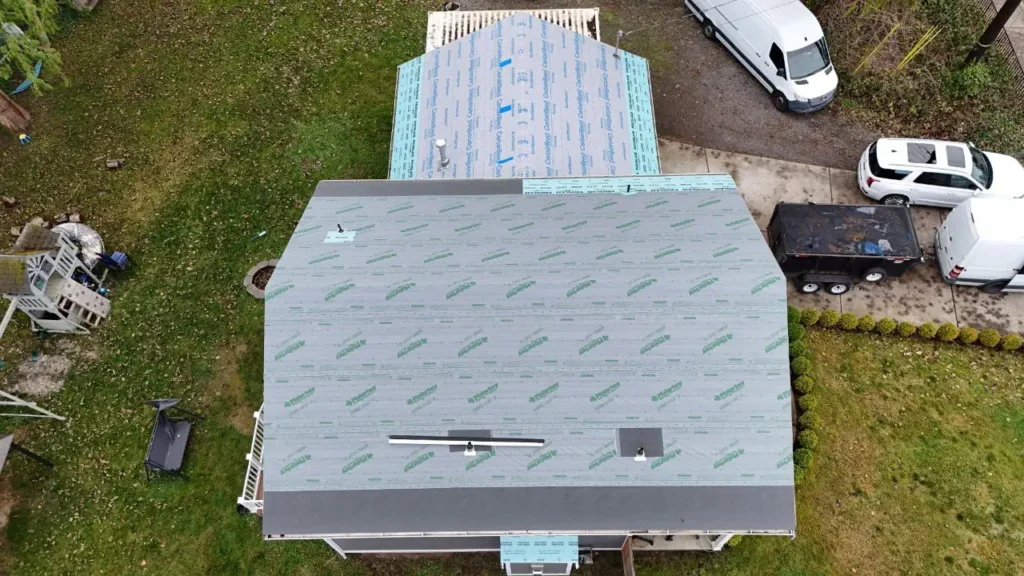
Timing a roof replacement in Seattle requires a different mindset than in drier parts of the country. The Pacific Northwest doesn’t have the long, reliable dry stretches of, say, Phoenix or Denver. Rainy weather can arrive unexpectedly even in what’s traditionally considered the dry season. Understanding how Seattle’s weather affects your roof year-round is essential for making smart decisions about when to act.
The challenge for Seattle-area homeowners is that roofing materials — particularly asphalt shingles — need moderate temperatures and dry conditions to seal and bond properly. The adhesive strips on shingles activate with heat from the sun, which means a roof installed during cold, wet November rains may take significantly longer to seal than one installed in a warm August. Incomplete sealing can leave shingles vulnerable to wind lift during the region’s periodic windstorms.
That said, summer and early fall — roughly June through October — are generally the most favorable months for roofing work in the Seattle area. Many experienced local contractors are booked weeks or even months in advance during these peak months. If you’re targeting a summer installation, start reaching out to roofing companies in late winter or early spring to get on the schedule. Roofing does continue through the winter months, and an experienced Seattle roofing company will take appropriate precautions, use proper cold-weather installation techniques, and schedule work around weather windows. If your roof is showing strain as the colder months approach, read our guide on preparing your roof for winter to protect it in the meantime. The most important thing is not to delay a genuinely failing roof simply because the season isn’t ideal.
4. Understand What Permits You May Need in Your Municipality
One of the most commonly overlooked steps in planning a roof replacement is checking whether your project requires a building permit. Many homeowners assume that because they’re replacing like-for-like — same materials, same roof pitch — no permit is necessary. That’s often true, but not always.
The issue is that permit requirements vary by jurisdiction throughout the greater Seattle area. The City of Seattle, King County, Snohomish County, and Pierce County each have their own rules. A straightforward shingle-for-shingle replacement typically doesn’t require a permit in most of these jurisdictions, but if you’re changing your roofing material — say, switching from asphalt shingles to a heavier material like tile or metal — or if you’re altering the roof structure in any way, a permit may be required. Homes in certain historic districts or with active Homeowners Association rules may have additional approval requirements before any exterior work can begin. It’s also worth understanding upfront whether your home warranty covers roof replacement, as this can affect your planning and budget significantly.
A practical example: homeowners in some Bellevue neighborhoods with strict HOA covenants have been surprised to discover that even shingle color changes require written HOA approval before a contractor can start. Discovering this mid-project can cause significant delays and stress. Your roofing company should be familiar with local regulations and can typically help navigate the permit process on your behalf — but ask the question directly before signing any contracts.
5. Plan Ahead for Noise, Disruption, and Family Logistics
A roof replacement is a noisy, vibration-heavy process. Even a single-day job involves hours of hammering, compressors running, material being thrown off the roof, and crews moving back and forth across your home. For many households, this level of disruption requires intentional planning.
The concern is especially real for families with young children, pets, or anyone working from home. Seattle’s explosive growth in remote work means a significant portion of homeowners in the area are conducting video calls, client meetings, or focused work from their homes on any given weekday. The sound of a roofing crew is not background noise — it’s genuinely disruptive, and it can make professional communication nearly impossible.
If you have pets, make arrangements for them to stay with a friend, family member, or at a boarding facility during the project. Dogs in particular can become extremely anxious from the overhead noise and vibrations, which can be amplified inside the home significantly. For remote workers, it may be worth booking a co-working space or library room for the duration of the project, which in the Seattle area typically ranges from one to three days depending on the size and complexity of the home. Talk to your contractor early about the expected timeline so you can plan accordingly. Good roofers will give you a realistic daily schedule so there are no surprises.

6. Prepare Your Property Before the Crew Arrives
There are several practical steps homeowners should take in and around their homes before a roofing crew arrives. This preparation protects your belongings, speeds up the job, and reduces the likelihood of any accidental damage during the project.
The vibrations from a roof replacement are surprisingly powerful and travel throughout the structure of the house. Wall-mounted artwork, framed photos, decorative shelving, and anything stored in attic spaces can shift, rattle, or fall during the work. Many Seattle homeowners have experienced the unpleasant discovery that a cherished piece of wall art or a fragile ceramic piece came down while the crew was working overhead.
Before the first crew member sets foot on your roof, take a walk through your home and remove or safely store any fragile or sentimental items from walls, shelves, and attic storage. In your garage, move vehicles out of the driveway — your roofer will likely have a large dumpster or disposal bin delivered one to two days before the project begins, and you’ll want easy, safe access around your property during the job. Clear garden beds and outdoor furniture from around the perimeter of the house to give the crew room to work and catch falling debris. These small acts of preparation make a meaningful difference in how smoothly the project goes. If you’d like to see the kind of work our crews deliver before and after a project, browse our completed projects gallery for real examples from across the Seattle area.
7. Research and Select the Right Roofing Material for Seattle’s Climate
Not all roofing materials are created equal, and the Pacific Northwest’s climate makes some options clearly superior to others. The combination of heavy rainfall, moss growth, occasional high winds, and moderate temperatures rules out some materials and makes others shine.
The challenge is that homeowners are often presented with an overwhelming array of choices without much context about what performs best in their specific region. Asphalt architectural shingles remain the most common choice in Seattle and surrounding communities for good reason — they offer excellent water resistance, affordability, and good wind uplift ratings when properly installed. However, the details matter: algae-resistant shingles with copper or zinc granules are a particularly smart choice for Seattle’s wet climate, as they actively resist the moss and algae growth that plagues so many local roofs. For a deeper look at how different products stack up, our guide on roofing material differences breaks down the pros and cons of each option for Pacific Northwest homes.
Metal roofing — standing seam steel or aluminum panels — has grown significantly in popularity across the Pacific Northwest, particularly in areas like the Cascade foothills and communities around Issaquah and Sammamish. Metal sheds water extremely efficiently, holds up well under heavy rainfall, and doesn’t support moss growth the way organic-based shingles can. Cedar shake has long been associated with Pacific Northwest homes aesthetically, but it requires significant maintenance in a wet climate and has become less common due to fire risk considerations. Talk with your roofing contractor about the specific advantages of different materials given your home’s location, pitch, and surrounding environment. If you have an asphalt shingle roof and are starting to notice warning signs of wear, our article on signs your shingle roof needs replacement can help you determine whether it’s time to act. A good contractor will give you honest, experienced guidance rather than simply steering you toward whatever they have most in stock.
8. Get Multiple Quotes — But Know How to Evaluate Them Properly
It’s always wise to get more than one estimate before committing to a major home improvement project. Roof replacement is no exception. However, many homeowners make the mistake of comparing quotes purely on price, which can lead to choosing a contractor based on the wrong criteria.
The problem with price-only comparisons is that roofing quotes can vary widely based on what’s actually included — or not included. One contractor might quote a lower number because they’re planning to install a single layer of underlayment where two are warranted, or because they’re not including the cost of replacing damaged decking that’s almost certainly going to be found once the old shingles come off. Another might have a higher price because they use better materials, carry full liability and workers’ compensation insurance, and back their work with a meaningful warranty. To understand what a fair, realistic budget looks like in this market, our breakdown of how much roof repair costs in Seattle is an essential read before you start gathering quotes. And if you’re tempted by unusually low bids, our article on why you should never hire cheap roofers explains the hidden risks in plain terms.
In the Seattle area, where contractor licensing is required by the state of Washington, you should always verify that any roofing company you’re considering holds a valid Washington State contractor’s license and carries appropriate insurance. Ask each contractor to provide a written, itemized scope of work — not just a total dollar figure — so you can compare what’s actually being offered. Pay attention to warranty terms as well — our guide on roof warranties explained will help you understand exactly what to look for and what questions to ask. A company offering a three-year workmanship warranty in addition to the manufacturer’s material warranty is demonstrating confidence in the quality of their installation, which is a meaningful differentiator.
9. Communicate Proactively With Your Roofing Company Throughout the Project
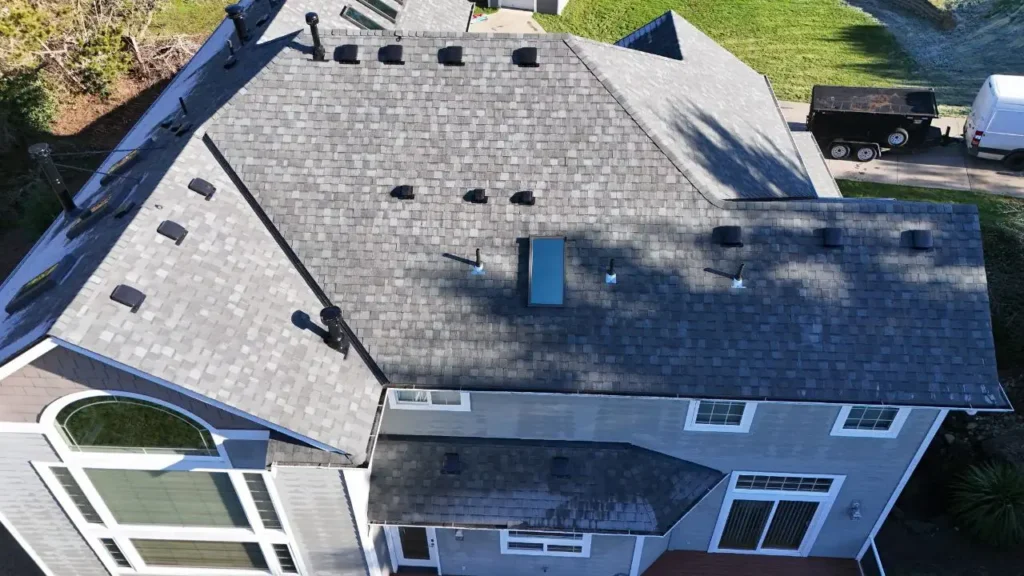
Clear, ongoing communication between a homeowner and their roofing contractor is one of the most important factors in a successful project. It’s also one of the most underrated. Many problems that derail roof replacements — unexpected costs, timeline delays, misunderstandings about material choices — trace back to a breakdown in communication somewhere early in the process.
The practical reality of roofing in the Seattle area is that weather can change the plan. A project scheduled to take two days can stretch to three if a Pacific front moves in unexpectedly. Material deliveries can be delayed. When your roof is partially torn off and rain is in the forecast, the last thing you want is to be out of touch with your contractor about the status and the plan. A reputable roofing company will keep you informed proactively, update you on any changes to the schedule, and explain any unexpected findings — like soft decking or failing flashing — before they proceed with additional work that might affect your final cost. If you ever find yourself facing an urgent situation, our emergency roof repair service is available to respond quickly when you can’t afford to wait.
Establish clear expectations at the outset. Ask your contractor how they prefer to communicate, how quickly they respond to calls or texts, and what their policy is for notifying homeowners about unexpected issues or cost changes. A contractor who is transparent and communicative before the project starts will typically maintain that same standard throughout the job. For help identifying which companies live up to that standard — and which ones don’t — our guide on roofing contractor red flags is an invaluable resource.
10. Make Arrangements for Your Vehicles and Driveway Access
This is a practical tip that catches many homeowners off guard, but it’s genuinely important for the smooth flow of a roof replacement project. Your driveway will not be fully accessible during the work, and failing to plan for this creates real complications.
The logistics are simple but significant. Most roofing crews will have a delivery truck bring a large waste container — sometimes called a roll-off dumpster — to your property one or two days before work begins. This container sits in or near your driveway for the duration of the project and is used to collect all the torn-off roofing material. Depending on the size and layout of your property, this can block normal vehicle access entirely. In dense Seattle neighborhoods where street parking is also limited, this requires advance planning.
Move your vehicles to safe alternative parking before the dumpster is delivered, and keep them there until the container is removed after the project wraps up. While professional roofing crews are careful and typically use magnetic rollers to collect stray nails from driveways and garden areas at the end of each workday, it’s still prudent to keep vehicles clear of the work zone to avoid any risk of tire damage. If you have neighbors who park nearby, a quick heads-up about the project timeline is a considerate gesture and can prevent any frustration.
11. Ask Your Contractor for Guidance — And Listen to Their Expertise
The most experienced homeowners are the ones who recognize what they don’t know and lean on the expertise of the professionals they’ve hired. A good roofing contractor has seen hundreds of homes, dealt with every possible complication, and developed genuine insight into what works and what doesn’t in your specific region.
The mistake many homeowners make is treating a roofing contractor purely as a labor provider rather than a subject-matter expert. In reality, a seasoned Seattle roofing professional understands local building codes, knows which materials hold up best in Pacific Northwest conditions, can anticipate the types of underlying damage most common in homes of a certain age or construction style, and can advise on ventilation improvements that extend the life of your new roof significantly. When selecting who to trust with this work, our comprehensive guide on how to choose roofing contractors gives you the framework to evaluate any company objectively and confidently.
Before your project begins, take time to have a genuine conversation with your contractor about your goals, your concerns, and any specific issues you’ve noticed — staining on ceilings, drafty attic spaces, ice buildup on eaves during cold spells. If you suspect a minor leak is involved, don’t underestimate its potential impact — read our article on the hidden dangers of ignoring a small roof leak before assuming it can wait. The more context your roofer has, the better they can tailor the project to your home’s specific needs. This kind of collaborative relationship between homeowner and contractor is what separates a good roofing project from a great one. You can also explore our full range of roofing services or visit our FAQ page to get answers to the most common questions homeowners ask before getting started.
Why Construction Elite LLC Is the Right Choice for Seattle-Area Homeowners
We hold all necessary licenses and certifications required to perform roofing work in Washington State, so you can trust that every aspect of your project meets or exceeds industry and regulatory standards. Unlike some contractors who leave homeowners guessing about costs, we offer free on-site estimates with no hidden fees — what you’re quoted is what you pay, full stop. Whether you need a shingle roof repair or a complete replacement, we provide transparent, itemized estimates so you know exactly what you’re getting. And because they understand that urgency is often real in roof repair and maintenance situations, we can mobilize quickly: if you need someone out today, we can make that happen.
If you’re ready to take the next step — whether you’re responding to storm damage, planning ahead for a future replacement, or simply want an expert’s eyes on your current roof — reach out to Construction Elite LLC today. Contact us to learn more, request your free estimate, and discover why Seattle-area homeowners trust them to get the job done right, on time, and with complete transparency. Don’t wait for a small problem to become a costly emergency. Act today, and protect the home you’ve worked so hard for.