Living in Seattle and the broader Pacific Northwest means dealing with an average of 150+ rainy days each year, frequent windstorms, and even the occasional snowfall. Your roof—the first line of defense against this relentless weather—works overtime to protect your home. That’s why recognizing early warning signs of roof damage is not just wise, but essential.
Partnering with a reliable roofing company in Seattle can mean the difference between a minor repair and a costly full roof replacement. Whether you’re in Seattle proper, Tacoma, Everett, or any surrounding areas, it’s crucial to act fast when your roof shows signs of distress.
Here are the Top 10 Signs Your Roof Needs Immediate Repair, what they mean, and what you can do to fix them—before it’s too late.
1. Visible Leaks or Water Stains
Water stains on ceilings or walls typically indicate that water is seeping through the roof deck. In Seattle, persistent rainfall accelerates this issue, especially if your roof hasn’t been maintained annually. What begins as a faint yellow or brown discoloration can soon spread, darken, or develop into bubbling paint and sagging drywall. These stains aren’t just cosmetic—they signal that water has already breached several protective layers of your roofing system, including the shingles, underlayment, and potentially the insulation and framing.
In the Pacific Northwest, the constant cycle of wet and dry conditions places unique stress on roofing materials. Moisture can seep in through even the smallest cracks or gaps, particularly around vulnerable areas such as skylights, vent pipes, chimneys, and roof valleys. Once inside, the water doesn’t just stay in one place—it can migrate across beams and trusses before finally revealing itself indoors, making the source of the leak hard to detect without professional equipment. In many cases, these situations require prompt attention from an experienced emergency roof repair specialist who understands how quickly water damage can spread in Seattle’s climate.
For Seattle homeowners, another complicating factor is moss growth. Moss retains moisture and can lift shingles, allowing rainwater to sneak underneath and eventually reach interior ceilings and walls. This is especially common in shaded neighborhoods like Magnolia or Montlake, where roofs receive less sun exposure and stay damp longer. When left unaddressed, moisture trapped within your home can also lead to hidden mold, mildew, and long-term structural damage, a problem further explored in discussions about the hidden dangers of ignoring a small roof leak. By the time a stain becomes visible, it’s often a sign that the problem has been building for weeks or even months.
Real-Life Example
A homeowner in Ballard noticed faint brown rings on the ceiling near a skylight. Within a few weeks, those stains darkened and started to sag—revealing widespread water intrusion from a cracked vent flashing that required immediate professional repair.
2. Missing or Damaged Shingles
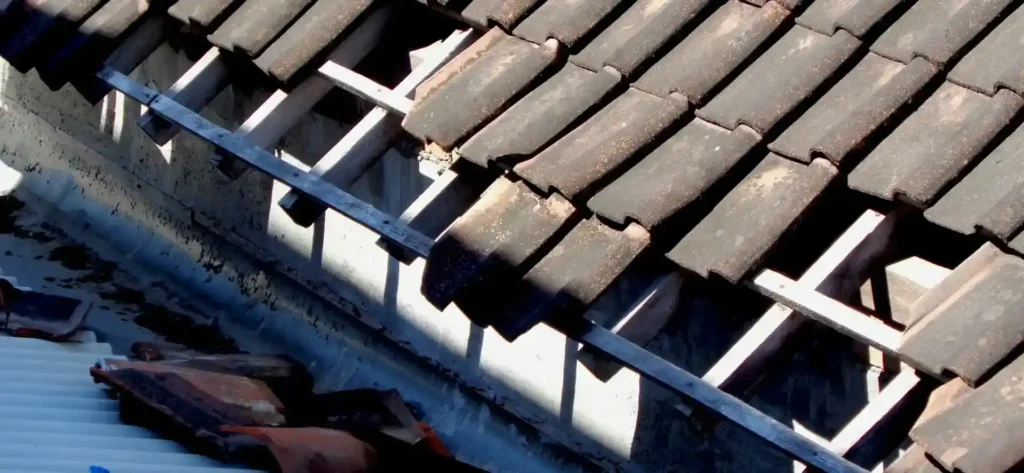
Missing or damaged shingles are among the earliest visible signs that your roof’s protective barrier is compromised. In Seattle’s climate—characterized by seasonal rainstorms, high winds, and fluctuating temperatures—shingles endure a great deal of environmental stress. Over time, they can crack, curl, lift, or even detach entirely, leaving your roof vulnerable to water infiltration and often signaling the need for professional residential roof repair before further damage occurs.
Asphalt shingles, which are common in many Seattle neighborhoods like Green Lake, Beacon Hill, and Lynnwood, tend to lose their granules with age and weather exposure. These granules protect the shingles from ultraviolet light and physical wear. When they begin to fall off (often visible as sand-like debris in gutters), the underlying material becomes brittle and prone to breaking. A single damaged shingle may not seem like an emergency, but even small gaps can allow rainwater to seep into the roof’s underlayment and eventually into your home, driving up long-term repair costs similar to those outlined in guides about how much roof repair costs in Seattle.
Seattle’s unpredictable weather also plays a major role in accelerating shingle deterioration. Windstorms can lift edges or blow shingles completely off, especially near eaves and ridges. Meanwhile, excessive moisture and the freeze-thaw cycle during colder months can weaken the adhesive strips that hold shingles down. In homes with low-pitch or older roofs, damage tends to accumulate near valleys and along roof edges where runoff is heaviest.
Many homeowners don’t notice missing shingles until water begins to leak inside, or they discover fallen pieces in the yard or driveway after a storm. This is why routine visual inspections—especially after extreme weather events—are so important in the Pacific Northwest. While the damage may appear superficial at first glance, left untreated, it can lead to widespread rot, mold, and the need for more extensive repairs or even a full roof replacement.
Real-Life Example
In Shoreline, a client lost multiple shingles after a strong wind gust. The exposed area quickly soaked in rain, leading to insulation damage and mold growth inside the attic.
3. Sagging Roof Deck
A sagging roof deck is one of the more alarming and structurally serious issues homeowners can face. While subtle at first, a dip or curve in your roofline often points to prolonged water damage, compromised structural support, or even rot beneath the shingles and underlayment. In Seattle, where moisture and humidity are a constant threat, this problem is more common than many homeowners realize. In areas like West Seattle or Redmond where trees are abundant, fallen debris can trap water on rooftops, accelerating deterioration.
Roof decking—the wooden surface that lies beneath the shingles—should be flat, strong, and uniform. Over time, consistent exposure to moisture from leaks, clogged gutters, or improper drainage can cause this wood to soften, warp, or decay. This creates visible depressions or sagging areas, especially near valleys, eaves, or where water tends to collect. While roofing materials can temporarily mask the damage, the structural integrity of the entire roof may be at risk, often requiring evaluation to determine whether repair or replacement is the safest option.
In parts of Seattle like Northgate or Bellevue, where older homes are abundant and tall trees frequently drop branches and organic debris, sagging roofs often result from blocked drainage systems. When water can’t exit the roof efficiently, it begins to pool. This added weight causes stress to the decking and supporting trusses. In some cases, the issue originates from the attic, where poor ventilation allows condensation to build up, slowly weakening the wood from underneath—an issue frequently tied to broader roof system problems rather than isolated damage.
Sagging doesn’t just affect the roof’s appearance—it compromises your home’s defense against the elements. A sagging section of roof is more likely to trap moisture, allow ice dams to form in winter, and cause shingle deterioration due to uneven surface tension. It also increases the risk of full roof collapse under heavy snow or debris. By the time sagging becomes visible from the street, the internal damage may already be extensive, making early inspection critical.
Real-Life Example
A homeowner in Kirkland ignored a slight dip in their roofline, only to discover that water-logged plywood had compromised the trusses beneath. The repair required full structural reinforcement and professional roofing intervention.
4. Clogged or Damaged Gutters
Gutters are an essential part of any roofing system, especially in a rainy city like Seattle, where efficient water runoff is crucial year-round. When gutters become clogged or damaged, water can’t drain properly, leading to a chain reaction of roofing and siding issues that often begin at the roof’s edge and spread inward over time.
Seattle homes surrounded by large trees—common in areas like Seward Park, Maple Leaf, or Sammamish—are particularly susceptible to this issue. Falling leaves, pine needles, and moss regularly clog gutters and downspouts, preventing rainwater from flowing away from the roof and foundation. When gutters overflow, water can seep under shingles, rot fascia boards, and damage soffits, eventually increasing the likelihood that homeowners will need professional roof repair services from an experienced local contractor.
Gutter damage doesn’t always stem from blockages. In some cases, the metal channels can pull away from the home due to rust, corrosion, or impact from fallen debris. Misaligned or broken brackets allow the gutters to sag, causing water to spill over rather than flow through the downspouts. This often leads to soil erosion, basement flooding, or pooling water near the foundation—all issues that begin at the roofline and escalate quickly during Seattle’s long rainy seasons.
The symptoms of failing gutters are often subtle: peeling exterior paint, water marks on siding, mildew smells, and uneven landscaping near your home’s perimeter. Homeowners often don’t realize the connection between these signs and their roof until a larger issue emerges, such as a leak or structural damage. In this climate, properly functioning gutters are not optional—they’re a critical safeguard against the elements and a key part of seasonal roof maintenance.
Real-Life Example
In Issaquah, one home’s gutter overflow went unnoticed during a rainy month. The excess water seeped behind the siding, leading to rot and mold in the wall structure.
5. Moss and Algae Growth
While moss and algae may seem like minor cosmetic issues, they can be extremely damaging to roofs—especially in the moist, temperate environment of Seattle and the greater Puget Sound region. These organisms thrive in damp, shaded areas, which are abundant in neighborhoods like Phinney Ridge, Madrona, and Mercer Island where tree canopies are dense and direct sunlight is limited.
Moss, in particular, is a slow but persistent threat. It grows between shingles, gradually lifting them and allowing moisture to penetrate the roof’s protective layers. Because moss retains water like a sponge, it keeps your roof surface damp far longer than rainfall alone would. This constant moisture can degrade shingles, rot the underlying wood, and promote mold and mildew growth both above and below the roof deck, often leading to more extensive repairs than homeowners expect.
Algae, on the other hand, tends to appear as dark, streaky stains—commonly misinterpreted as dirt. While algae doesn’t damage shingles structurally as aggressively as moss, it signals high moisture retention and can contribute to faster deterioration, especially if left unchecked. Algae buildup can also negatively impact your home’s curb appeal and resale value, particularly in competitive Seattle neighborhoods.
The presence of moss or algae on a roof often indicates more than just environmental exposure—it may point to inadequate roof maintenance, poor drainage, or insufficient sunlight. In Seattle’s climate, where rainfall is consistent and roofs remain wet for much of the year, conditions are nearly ideal for this kind of biological growth. Homeowners with north-facing roofs or homes beneath heavy tree cover should be especially vigilant and consider regular cleanings as part of a broader seasonal roof maintenance plan.
Real-Life Example
In Olympia, a homeowner thought moss was just an aesthetic issue. But moss buildup had lifted several shingles, leading to rot and costly structural repairs.
6. Interior Mold or Mildew Smell
A persistent musty odor inside your home—particularly in the attic, upper floors, or near vents—is often a hidden sign of roofing trouble. In a damp climate like Seattle’s, where rainfall is common and humidity can linger, mold and mildew don’t need much encouragement to grow. When these smells are present, it’s often a sign that moisture is trapped inside the structure of your home, likely entering through a compromised roof system.
Mold and mildew thrive in environments that are warm, dark, and moist. Roof leaks, even small ones, create the perfect conditions for microbial growth—especially when insulation or wooden supports stay wet for extended periods. The problem may originate from areas of the roof that are not visible, such as under deteriorated flashing or around improperly sealed vent boots. Once inside, water seeps into insulation and framing, feeding mold colonies that release airborne spores and reduce indoor air quality.
The odor itself can be subtle at first—easily dismissed as stale air or a dusty attic. But over time, it becomes more noticeable and more hazardous. Exposure to mold can trigger allergies, asthma, and other respiratory issues. For families with young children, seniors, or anyone with immune sensitivity, this can be especially dangerous and often necessitates professional inspection and repair.
Seattle homeowners frequently deal with roof ventilation issues that contribute to mold growth. Inadequate attic airflow means warm, humid air becomes trapped inside, turning your attic into a moisture-rich environment. In homes across areas like West Seattle or Bothell, where older homes may not meet modern ventilation standards, this is a common cause of mold-related roof concerns that ultimately require skilled residential roofing professionals.
Real-Life Example
A family in Bothell noticed their heating ducts smelled stale. The culprit? Mold in the attic caused by a roof leak above the HVAC system, leading to rot and costly structural repairs.
7. Light Coming Through the Attic
If you’re in your attic during the daytime and see slivers or spots of light coming through the roof, that’s more than just an oddity—it’s a clear sign that your roofing system has holes, cracks, or other forms of deterioration that need immediate attention. Light should never be visible through a finished roof. In a rainy, wind-prone environment like Seattle, these same openings are entry points for water, pests, and cold air.
Common culprits for light infiltration include missing or lifted shingles, popped nails, cracked underlayment, and compromised flashing. In some cases, these gaps form naturally over time due to material aging. In others, they’re the result of wind damage or improperly installed roofing components. In older homes throughout Ballard, Mount Baker, and Renton, nail pops and warped decking are a frequent issue after years of moisture exposure.
The danger is that what starts as a tiny opening can quickly grow worse. Water follows the same path as light—and once it finds a weakness, it widens the breach through repeated expansion, freezing, and thawing. Moisture entering through these small holes can damage attic insulation, stain interior ceilings, and eventually rot wood framing, escalating into a situation that may require emergency roof repair.
Real-Life Example
In Renton, a homeowner saw “a few beams of light” while retrieving holiday decorations. Days later, a downpour led to water dripping on stored boxes—proving the issue was urgent.
8. Flashing Damage
Flashing is one of the most critical—and often overlooked—components of a well-sealed roof. It’s the thin metal installed around joints, seams, and roof penetrations like chimneys, vents, skylights, and valleys. In a wet climate like Seattle’s, flashing is your roof’s best defense against leaks in areas most vulnerable to water intrusion.
The problem with flashing is that its failure isn’t always obvious. Unlike missing shingles or visible leaks, flashing issues often develop silently over time. In areas like Queen Anne or Capitol Hill, where many homes feature older brick chimneys or multiple roof transitions, failing flashing is a common source of chronic leaks. Poor installation or deteriorated sealant allows moisture to penetrate, often unnoticed until interior damage appears.
Flashing damage can result from storm impact, corrosion, or temperature changes causing the metal to expand and contract. Even high winds can lift poorly secured flashing, creating an opening for wind-driven rain. Over time, this water penetration leads to mold, rotted wood, and interior staining that often requires professional assessment and repair.
Real-Life Example
A Queen Anne homeowner dealt with a persistent leak around their fireplace. The culprit was corroded chimney flashing that allowed rain to drip directly into the home.
9. Increased Energy Bills
A sudden or gradual spike in your heating or cooling costs could point to an issue with your roofing system. While many homeowners suspect windows or insulation, a damaged roof is often the hidden source of energy loss. When roofing materials or insulation are compromised, your HVAC system has to work harder to maintain comfort.
In neighborhoods like Wallingford or Eastlake, older homes often struggle with wet or compacted insulation beneath the roof. Water intrusion reduces insulation effectiveness, allowing heat to escape in winter and build up in summer. Poor attic ventilation further compounds the issue, leading to higher energy usage and discomfort.
If your energy bills are rising without changes in usage, your roof could be contributing to inefficiency. Addressing roofing issues early can restore energy performance and prevent further damage.
Real-Life Example
A Tacoma family saw winter bills spike dramatically. An inspection revealed wet insulation and air leaks traced back to missing ridge cap shingles.
10. Your Roof Is Over 20 Years Old
Even if your roof looks fine from the outside, age alone is a significant reason to consider repairs or replacement. Most asphalt shingle roofs last 20–25 years, depending on installation quality and exposure. Seattle’s wet climate accelerates wear, especially from moss, moisture, and temperature changes.
As roofs age, shingles lose flexibility, seals dry out, and nails loosen. These failures create entry points for water and often leave homeowners deciding whether to replace or repair their roof after damage has already occurred. Proactive planning can help avoid emergency situations and higher costs.
Real-Life Example
In Bellevue, a 25-year-old roof failed during a light rainstorm when brittle shingles cracked, leading to a full roof replacement
General Tips to Fix and Prevent Common Roofing Issues
No matter the issue—leaks, missing shingles, or moss buildup—Seattle homeowners can take proactive steps to protect their roofs. Schedule annual inspections with a licensed local contractor familiar with Seattle’s weather patterns. Keep gutters clean, maintain proper attic ventilation, and address small issues before they escalate. Understanding warning signs like those outlined in top signs your roof needs immediate repair can help you act quickly and avoid major expenses.
Ready to Protect Your Home?
Let us help you. Don’t wait for the next downpour to expose hidden roof problems. Schedule your free on-site inspection today!