Seattle homeowners know one thing for certain—your roof is not just a protective barrier, it’s your first line of defense against a very specific type of climate. With high humidity, persistent rainfall, and tree-heavy neighborhoods, maintaining a healthy roof in Seattle and surrounding areas like Bellevue, Shoreline, and Tacoma takes more than the occasional glance from the driveway. It takes regular inspections, proactive maintenance, and the support of a reliable Seattle roofing company.
Understanding the costs of roof repair in Seattle starts with knowing the types of damage that typically affect Pacific Northwest homes. These repairs range from simple shingle replacements to more extensive work involving structural damage from long-term moisture intrusion. In this article, we’ll explore several real-life examples of roof repairs from Seattle-area homes, so you can get a realistic sense of what to expect in terms of cost, causes, and urgency.
Seattle’s Climate and Why It Accelerates Roof Damage
The Pacific Northwest’s weather plays a significant role in how roofs age. Seattle gets around 37 inches of rain annually, with the bulk of it falling between October and May. Combine that with weeks of low light and heavy tree cover, and you have a perfect environment for moisture-related roofing problems that often require timely residential roof repair to prevent escalation. Homeowners unfamiliar with how Seattle’s weather affects roofing systems often underestimate how quickly small issues can worsen.
Take the example of a 1980s Craftsman-style home in Ravenna. After several harsh winters, the homeowner noticed a slight water stain in their ceiling but dismissed it as minor. The issue went untreated for almost a year. Eventually, what started as a tiny leak turned into a much larger issue, illustrating the hidden dangers of ignoring a small roof leak. By the time the roofing contractor was called, the repair included removing moss buildup, replacing flashing around a skylight, and reinforcing a portion of the roof deck that had started to rot. The total cost? Just over $6,000—an amount that could have been reduced by half if addressed earlier.
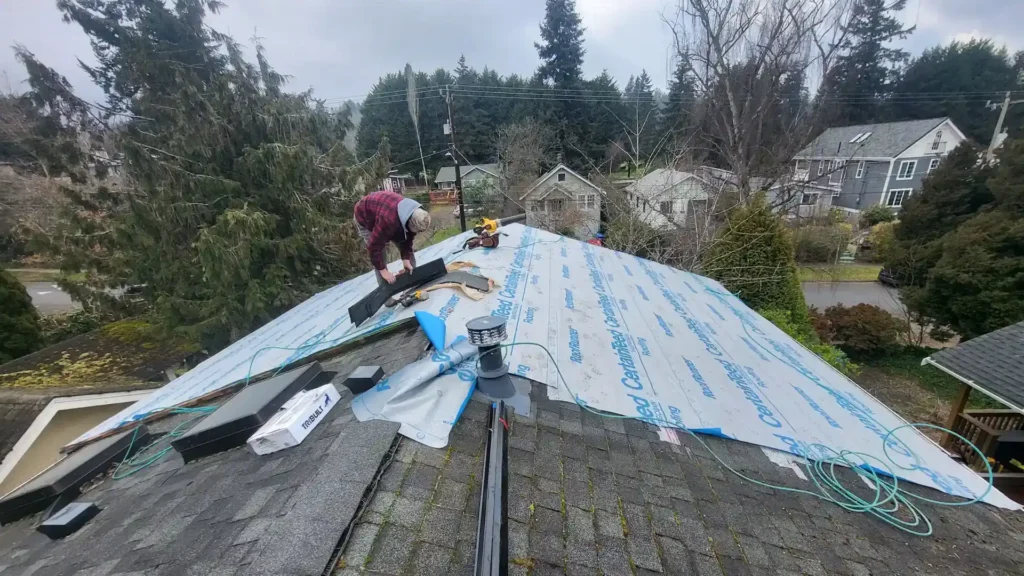
Seattle’s trees—especially the towering firs and maples common in neighborhoods like Green Lake and Capitol Hill—also drop a significant amount of organic debris. This leads to clogged gutters, which cause water to back up under shingles. One Bellevue homeowner had to deal with persistent ceiling leaks because pine needles from a neighbor’s tree kept clogging their roof drainage system. The eventual solution involved replacing sections of roof underlayment and installing a new gutter guard system as part of a broader seasonal roof maintenance plan, all for a final invoice of $4,800.
These examples underscore the importance of working with a local roofing company that understands how Seattle’s unique weather patterns impact your roof’s performance over time and can recommend appropriate solutions through professional roofing services.
What Does Roof Repair Typically Cost in Seattle?
Costs for roof repairs in Seattle can vary significantly depending on the extent of the damage, the roofing materials used, and how soon the problem is addressed. However, understanding what other homeowners in your area have paid—and reviewing resources like how much roof repair costs in Seattle—can give you a much more accurate benchmark than national averages.
For instance, a homeowner in the Mount Baker neighborhood faced an issue with wind-damaged shingles following a particularly intense winter storm. Several shingles had blown off, exposing the underlayment to repeated rainfall. After a thorough inspection, the contractor found moisture creeping under the roofing layers in multiple spots. Because the damage was confined to a specific section and caught early, the repairs—which included replacing underlayment, sealing, and shingle replacement—only cost $1,400. This type of targeted residential roof repair is common when action is taken quickly.
Contrast that with a home in Queen Anne where the homeowner noticed a musty odor in the upstairs guest room—one of the top signs your roof needs immediate repair. A roofing inspection revealed that water had been seeping through improperly sealed flashing for at least two years. Mold had started to form inside the attic insulation. The cost for mold remediation, re-flashing around the chimney, and replacement of 15 feet of water-damaged roof decking totaled nearly $8,200.
In another case, a Redmond family had a cedar shake roof that had not been serviced in over a decade. Heavy moss growth and cracked shakes led to a partial tear-down of one side of the roof. Because cedar is more expensive and labor-intensive than asphalt shingles, the cost reached $9,000—even though only one side of the roof required immediate attention. In situations like this, homeowners often evaluate whether to replace or repair their roof based on age and condition.
These case studies show how important timing is. Addressing small leaks early can keep your costs in the low thousands, while delayed action—especially in Seattle’s wet climate—can easily escalate to far more expensive repairs or even emergency situations requiring immediate emergency roof repair.
Common Roof Issues in the Seattle Area: Moss, Leaks, and Flashing Failures
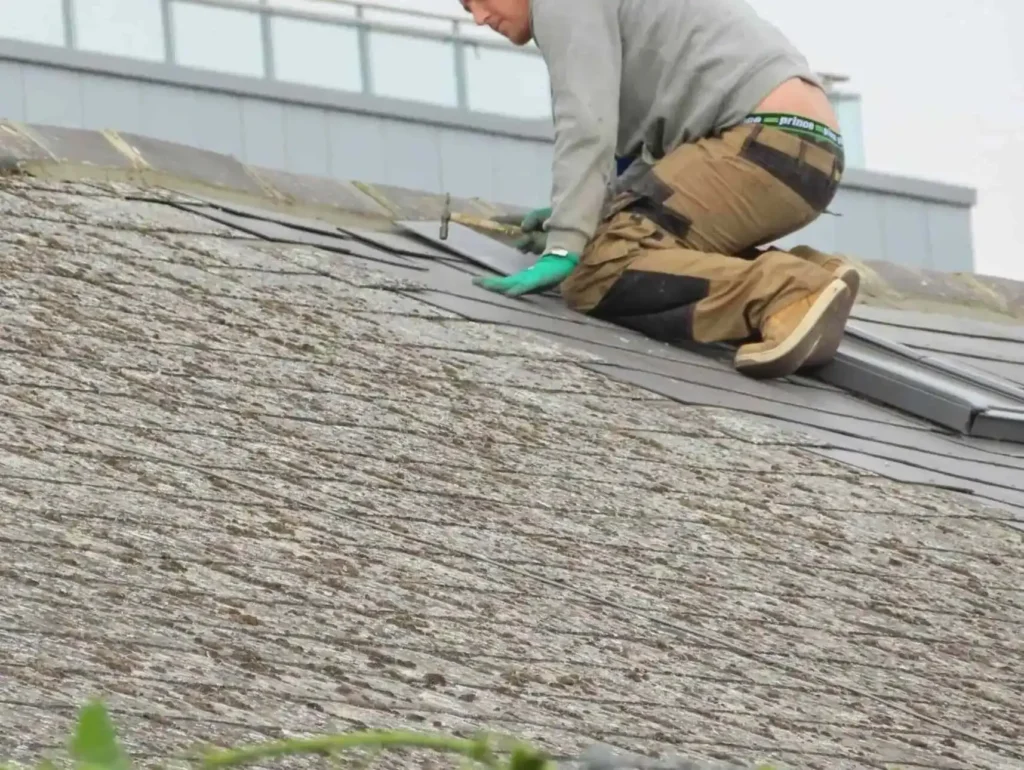
Moss is not just a cosmetic issue in Seattle—it’s one of the most common causes of premature roof degradation. Because of the damp conditions and shaded areas created by Seattle’s abundant tree cover, moss thrives on rooftops, particularly on the north-facing sides that receive the least sunlight. What might start as a soft green layer can quickly lift shingles, retain water, and erode protective granules, leading to frequent residential and even commercial roof repair needs.
One clear example comes from a family home in Shoreline. The roof was only 12 years old but had become heavily infested with moss, especially around the dormers and in roof valleys where moisture lingers. After a particularly rainy season, they noticed water dripping from their attic light fixtures. An inspection revealed that moss had grown under the shingles, weakening the seal and allowing water to penetrate the roof membrane. The cost of replacing those sections and treating the entire roof with a safe, pressure-free moss treatment? Over $3,500.
Skylights and chimneys are also common weak points. In Renton, a homeowner had persistent leaks during the rainy season, despite multiple patch jobs. The actual problem turned out to be deteriorated flashing around a skylight that had never been properly sealed—a classic example of installation issues outlined in roofing contractor red flags. Once a qualified local roofing company inspected the situation, it became clear that the surrounding roof decking had also suffered water damage. Total repairs, including new flashing, underlayment, and partial deck replacement, came in at just under $5,000.
Another homeowner in Northgate dealt with a slow leak that eventually compromised their ceiling drywall. The source? Flashing that had peeled back from the roof edge during windstorms. What might have been a $900 fix ended up costing $3,100 due to the internal ceiling and attic damage—damage that could have been avoided with regular inspections and proper roof replacement procedures when needed.
These real-world stories illustrate why it’s essential to schedule regular inspections and address moss or flashing issues before they compromise your entire roofing system.
When to Repair vs. Replace: Making the Right Call
It’s a question every homeowner faces at some point: is it time to repair the roof, or is full replacement the smarter long-term investment? The decision can be even more complex in Seattle, where moisture-related issues can sometimes lurk out of sight until they become major structural problems—especially if the roof hasn’t been properly prepared using strategies like preparing your roof for winter.
Consider the case of a homeowner in Ballard who initially called for a quote on a full roof replacement. Their home was built in the early 1990s and had never undergone a major roofing project. They noticed visible wear on the shingles and were preparing to commit nearly $20,000 to replace the entire roof. However, after a second opinion from a local contractor—one experienced in helping homeowners choose the right roofing contractor—it was determined that the damage was isolated to one section of the roof where a large fir tree had been shedding debris. That portion of the roof was repaired for $4,800, and the rest was found to be in surprisingly good shape. The repairs extended the roof’s lifespan by another 7–10 years.
In contrast, a home in West Seattle built in the 1970s had been repaired multiple times over the years. Despite patch jobs and moss treatments, the homeowner continued to battle leaks and poor attic ventilation. When mold was discovered in the insulation and several rafters showed signs of moisture-related warping, the decision was made to proceed with a full roof replacement. The total project cost was $23,000, but it included new insulation, a ridge vent system, and upgraded waterproof underlayment. Seattle roof replacements for a typical single-family home (~1,500–2,500 sq ft) range from $23,000 to $75,000+, depending on materials and complexity.
These examples demonstrate that while repairs are often sufficient and more budget-friendly, repeated problems and structural compromise are indicators that replacement may be more cost-effective in the long run.
The Importance of Hiring a Certified Local Contractor
Hiring the right roofing contractor is just as important as the repairs themselves. Seattle’s building codes are strict, and weather conditions can make a poorly executed repair fail quickly. Yet homeowners are often tempted by low quotes from unlicensed or out-of-area companies.
Take the experience of a homeowner in Kent. After a winter storm caused minor shingle damage, they hired a contractor offering a steep discount for “emergency work.” The repair looked fine initially but began leaking within two months. It turned out the company was not licensed, used inferior materials, and failed to meet Washington State requirements—issues commonly highlighted when reviewing roofing contractor red flags. The homeowner ultimately paid $3,600 to have the work redone properly.
Choosing a company like Construction Elite LLC—known for its experience, transparency, and proven project history—can save you thousands and provide peace of mind that your roof is protected.
Contact Construction Elite LLC
Whether you’re in Capitol Hill, West Seattle, or Redmond, their team brings local expertise, quality craftsmanship, and clear communication to every project. If you’re ready to protect your home and want answers tailored to your roof, contact Construction Elite LLC today to schedule your free estimate. Seattle weather won’t wait—and neither should you.