There are few things more unsettling for a homeowner than discovering a water stain on the ceiling after a rainstorm. In Seattle and the surrounding Pacific Northwest, where rain is a near-constant companion for much of the year, a leaking roof isn’t a rare event — it’s a genuine risk that every homeowner faces at some point. What makes roof leaks particularly frustrating is that the water you see inside your home almost never marks the spot where the leak is actually entering. Water travels. It follows the path of least resistance along rafters, underlayment, and insulation before finally dripping down somewhere completely unrelated to the true source.
That’s why having access to a knowledgeable, experienced Seattle roofing company is so important. Finding a leak on your own is possible in some cases, but accurately diagnosing the source — especially in a wet climate where damage can be widespread and subtle — often requires trained eyes and professional tools. The longer a leak goes unaddressed, the more damage it causes: rotting decking, compromised insulation, mold growth, and in severe cases, structural deterioration. Acting quickly, and acting with the right help, is essential.
Start in the Attic — Not on the Roof
When water shows up inside your home, many homeowners instinctively head outside to scan the roof. But the far more productive first step is to go up into the attic with a good flashlight. The attic tells the story your ceiling can’t. Look for water stains on the underside of the roof decking, dark discoloration on rafters or joists, damp or compressed insulation, and any visible daylight coming through from above. Mold or mildew growth in the attic is another strong indicator that moisture has been infiltrating for some time. Understanding exactly how Seattle’s weather affects your roof year-round can help you know what to look for before a serious problem develops.
In Seattle-area homes — particularly older Craftsman bungalows and mid-century houses common in neighborhoods like Wallingford, Phinney Ridge, and the Central District — attic access can be limited and insulation depths can obscure water trails. If you can safely access your attic after a heavy rain, that’s the ideal time to look, as active moisture will be easier to spot. Trace any wet areas uphill from the point of water entry, since water always travels downward from wherever it’s actually getting in. Mark the spot with chalk or a piece of tape so you can reference it when inspecting the exterior. If what you find points to an urgent situation, our emergency roof repair service is available to respond the same day — because some leaks simply can’t wait.
Check the Most Common Entry Points First
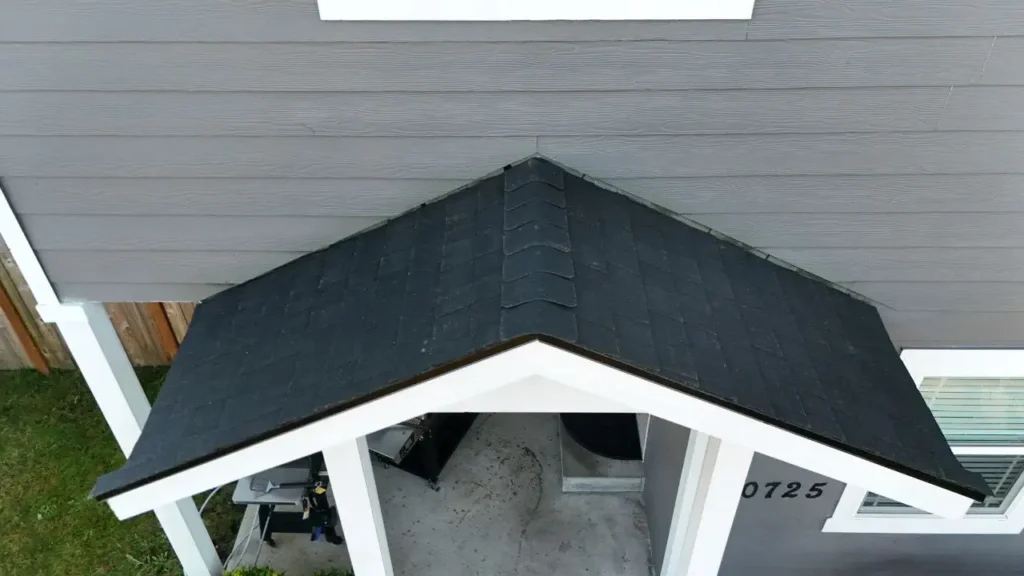
Roof leaks rarely originate from the middle of a large, uninterrupted field of shingles. In the vast majority of cases, water finds its way in through specific vulnerable points — and knowing where those are can dramatically narrow your search. The most common culprits are penetrations and transitions: anywhere something passes through the roof or where two different surfaces meet. Knowing the top signs your roof needs immediate repair will help you recognise whether what you’re seeing at these entry points is cause for urgent action.
Chimneys are one of the leading sources of roof leaks across the Pacific Northwest. The flashing that seals the junction between the chimney masonry and the roof surface can crack, separate, or corrode over time, particularly in the freeze-thaw cycles that occur in communities like Bellevue, Renton, and areas east of the Cascades. Skylights are another frequent offender — the seals around skylight frames deteriorate with age and UV exposure, and Seattle’s long, wet winters accelerate that process. Plumbing vent pipes, exhaust fans, and any other roof penetrations sealed with rubber pipe boots are also common failure points, as the rubber degrades and cracks after several years. Roof valleys — where two slopes meet and channel large volumes of rainwater — are high-pressure zones that can develop leaks if the flashing beneath becomes damaged or improperly sealed. For a full overview of our residential roofing services, including flashing repair and penetration sealing, visit our services page.
Look for Shingle Damage and Missing Granules
Once you’ve checked the attic and identified the likely zone of entry, a careful exterior inspection of the roof surface is the next step. You don’t need to climb onto the roof to start — a pair of binoculars from the ground can reveal a great deal. Look for shingles that are cracked, curling at the edges, buckled, or visibly missing. Any area where shingles have shifted or separated creates an opening for water to reach the underlayment below. If the damage is contained to a section of your roof, shingle roof repair may be all that’s needed to stop the leak and protect the structure beneath.
In Seattle’s climate, one of the most telling signs of shingle wear is granule loss. Asphalt shingles are coated with mineral granules that protect the underlying asphalt from UV degradation and provide water-shedding texture. As shingles age — or after a particularly severe windstorm or hailstorm — those granules shed in larger quantities. You’ll often notice them collecting in gutters or at the base of downspouts. Significant granule loss leaves shingles thin and brittle, making them far more prone to cracking and water infiltration. Our detailed guide on the signs your shingle roof needs replacement can help you determine whether what you’re seeing points to a repair or a full replacement. Algae and moss growth, which is extremely common on Seattle-area roofs due to the persistent moisture and shade, can also lift shingle edges over time, creating pathways for water to penetrate beneath the surface.
The Garden Hose Test: Simulating Rain to Isolate the Source
When a leak is particularly elusive — showing up unpredictably or seeming to come from an area with no obvious damage — a controlled water test can be one of the most effective diagnostic tools available. This involves using a garden hose to simulate rainfall in a methodical, section-by-section approach while a second person watches inside the attic for any sign of water entry. It’s also worth reading about the hidden dangers of ignoring a small roof leak before deciding whether to wait or act — what looks minor on the surface can be causing serious damage below.
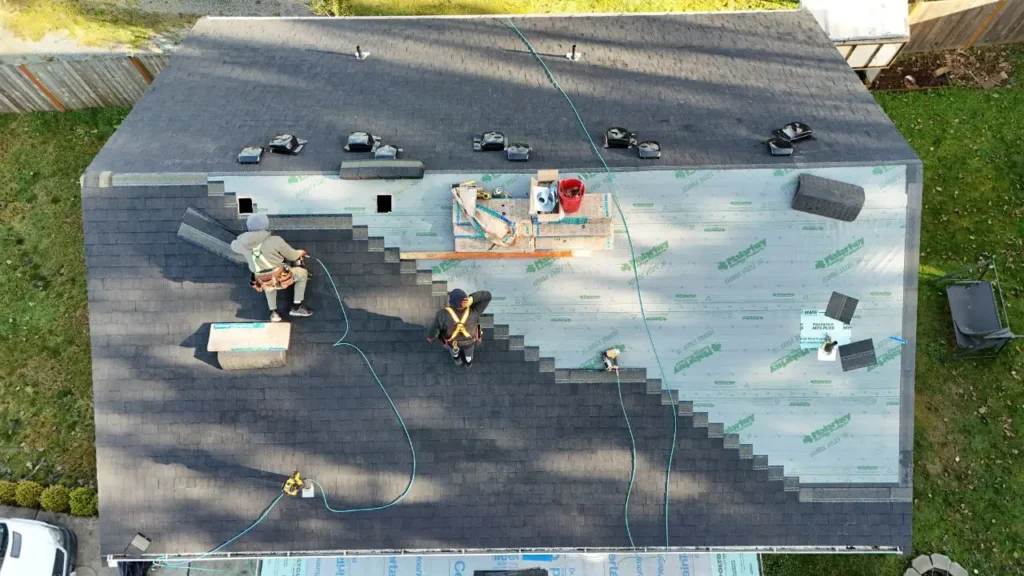
The process works best when done systematically. Start low on the roof — at the eaves and gutters — and work upward in stages. Soak each section for several minutes before moving higher. When the person in the attic sees water begin to appear, the section of roof being soaked at that moment contains the likely source. This technique is particularly useful for diagnosing leaks around chimneys, skylights, and flashings, where the entry point can be a hairline gap invisible to the naked eye. While this is a task some determined homeowners tackle themselves, it’s worth noting that roof safety is a genuine concern — working on a wet, pitched surface is dangerous, and in many cases calling a professional to perform this diagnostic is the safer and more accurate choice. Once the source is confirmed, our team can advise on whether a repair or full replacement is the right course of action for your specific situation.
Don’t Overlook Ice Dams and Condensation
Not every moisture problem that appears to be a roof leak is actually caused by a failure in the roofing material itself. In the Seattle area, two additional culprits are worth ruling out: ice dams and attic condensation. Ice dams form when heat escapes through the roof and melts snow near the ridge, only for that meltwater to refreeze near the colder eaves. The resulting ice buildup can force water beneath shingles and into the home — and is common in areas with significant snowfall like the foothills of the Cascades and higher-elevation communities around Snoqualmie Pass. Preparing your home in advance with our guide on preparing your roof for winter is one of the best ways to reduce the risk of ice dam damage before the cold season arrives.
Attic condensation is a subtler issue but equally damaging. When warm, moist air from inside the living space rises into a poorly ventilated attic, it condenses on the cold underside of the roof decking. The resulting moisture can look exactly like a roof leak — water stains, dripping, wet insulation — even when the roof surface itself is perfectly intact. Improving attic ventilation and ensuring proper vapor barriers are in place is the solution here, not patching shingles. A thorough inspection by a qualified roofing professional will distinguish between a true leak and a ventilation problem, saving you from unnecessary repairs. Year-round vigilance through a seasonal roof maintenance programme is the most effective way to catch both types of moisture problems early, before they escalate into costly structural damage.
Trust Construction Elite LLC to Find and Fix the Leak
Locating a hard-to-find roof leak takes patience, the right technique, and experience with the types of failures common to Pacific Northwest roofing systems. If you’ve done the initial investigation and still can’t pinpoint the source — or if you simply want the peace of mind that comes from having a professional handle it from the start — Construction Elite LLC is ready to help.