Standing in your Redmond driveway on a rainy Tuesday morning in February, you notice something that makes your stomach drop: several shingles look worn and curled, moss has spread across the north-facing slope like a thick green carpet, and there’s a dark water stain creeping across your upstairs bedroom ceiling. You’ve been living here for nearly fifteen years, and while you knew the roof wouldn’t last forever, you’ve been hoping to delay this expense. Now reality has arrived, and the questions start multiplying faster than the moss on your roof. How much is this going to cost? Can you afford a quality roof replacement on your current budget? Are there affordable options that won’t fail in a few years, leaving you right back where you started? And most importantly, how do you find materials and contractors that deliver genuine value rather than just the lowest price?
These are the exact concerns facing thousands of Seattle-area homeowners every year, caught between the very real need for roof repair or replacement and the equally real constraints of household budgets that are already stretched thin by rising costs of living in King County. The truth is that affordable roofing solutions absolutely exist, but finding them requires understanding what “affordable” truly means in the context of Pacific Northwest conditions. An inexpensive roof that fails in five years because it wasn’t appropriate for Seattle’s climate isn’t affordable at all when you calculate total cost of ownership. A moderately priced roof that lasts twenty-five years with proper maintenance represents far better value than a budget option that needs replacement in a decade.
This article will guide you through the affordable roofing options available to Seattle-area homeowners, helping you understand which materials offer the best value in our climate, where you can reasonably reduce costs without compromising quality, what warning signs indicate you need professional help immediately, and how to identify contractors who will work within your budget while still delivering excellent results. Working with experienced, licensed, and local roofing contractors who genuinely understand Pacific Northwest conditions is essential because they know which cost-saving measures make sense and which ones will come back to haunt you. They can recommend materials that perform well in Seattle’s wet environment without unnecessarily premium pricing, suggest strategic timing that takes advantage of contractor availability and material pricing, and help you make decisions that balance your immediate budget with long-term value. By the end of this article, you’ll have the knowledge to pursue affordable roofing solutions confidently, understanding both what’s possible within your budget and why working with the right contractor makes all the difference between a cost-effective investment and an expensive mistake.
Most Affordable Roof Materials for Seattle Homes
1. Asphalt Shingles
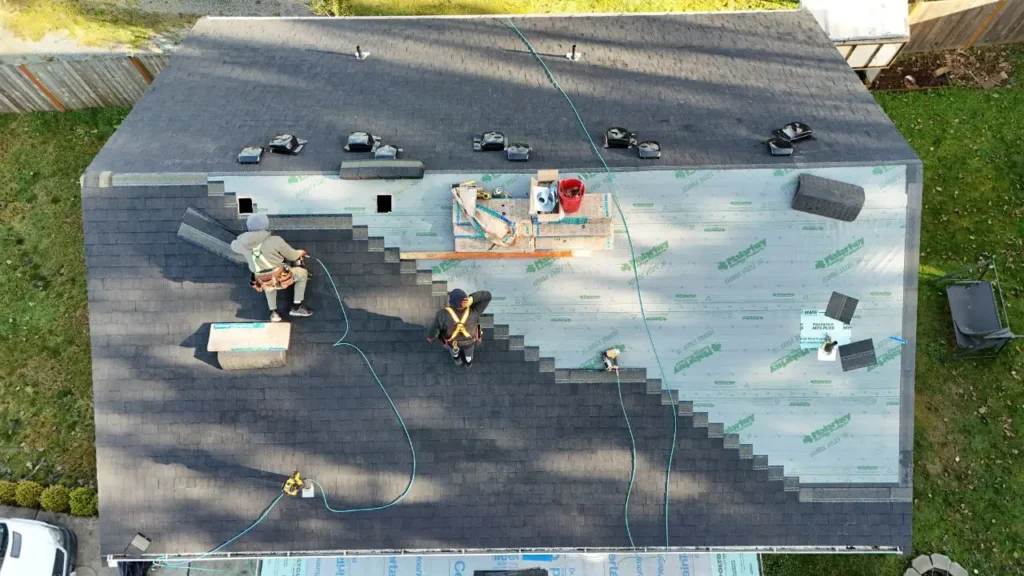
Architectural asphalt shingles represent the most popular and cost-effective choice for Seattle-area homes, offering the best combination of affordability, performance, and proven track record in Pacific Northwest conditions. These dimensional shingles feature multiple layers bonded together, creating depth and visual interest while providing superior durability compared to basic three-tab shingles. Quality architectural shingles designed for our climate typically cost between ninety and one hundred thirty dollars per square installed, putting a typical fifteen hundred square foot roof in the range of nine to twelve thousand dollars for complete replacement including labor, underlayment, and disposal.
Modern architectural shingles incorporate significant technological improvements that matter tremendously in Seattle’s moisture-rich environment. Algae-resistant formulations include copper granules throughout the shingle that prevent the dark streaking common on older roofs, keeping your roof looking cleaner and more attractive while also reducing moisture retention that accelerates deterioration. Enhanced granule adhesion means the protective mineral layer stays bonded to the asphalt base much longer than older products, maintaining water-shedding effectiveness and UV protection throughout the shingle’s lifespan. Wind resistance ratings typically reach one hundred ten to one hundred thirty mile-per-hour gusts, providing excellent protection against our increasingly common severe windstorms.
The key to maximizing value with architectural shingles is choosing quality products from established manufacturers like GAF, CertainTeed, Owens Corning, or Tamko rather than bargain brands with questionable quality control and limited warranty support. Manufacturer warranties typically range from twenty-five to fifty years depending on the product line, though understanding what’s actually covered matters more than the years listed. Look for shingles specifically rated for algae resistance in our region, ensure adequate wind resistance ratings for Pacific Northwest storms, and verify that your contractor is certified by the manufacturer to offer enhanced warranty coverage. This certification ensures installation follows manufacturer specifications, which directly affects both performance and warranty validity.
2. Metal Roofing Systems
Metal roofing deserves serious consideration despite higher upfront costs, particularly for homeowners dealing with heavily shaded properties where moss growth is especially aggressive or those planning to stay in their homes long-term and wanting a truly permanent roofing solution. Standing seam metal roofing typically runs between four hundred and six hundred dollars per square installed, putting that same fifteen hundred square foot roof in the sixteen to twenty-five thousand dollar range. While this represents roughly double the cost of architectural shingles, metal roofing offers several advantages that can justify the investment in specific situations.
The smooth, hard surface of metal roofing doesn’t provide the same purchase for moss that asphalt shingles do, keeping heavily shaded roofs dramatically cleaner with minimal maintenance requirements. Metal roofing can last fifty to seventy years in Seattle’s climate when properly installed, essentially meaning it’s the last roof you’ll ever install on your home if you’re planning to stay long-term. The material sheds water, snow, and debris more effectively than shingles, reducing moisture retention and biological growth. Modern metal roofing comes in various styles including standing seam, metal shingles, and metal tiles that complement traditional home designs rather than just the industrial look many people associate with metal roofs.
The affordability calculation for metal roofing depends heavily on your specific circumstances and timeline. If you’re dealing with extreme shade, persistent moss problems, or plan to stay in your home for decades, metal’s superior longevity and minimal maintenance can deliver better lifetime value despite higher upfront costs. If you’re planning to sell within five to ten years or your property has good sun exposure that minimizes moss issues, architectural shingles likely represent better value. Working with knowledgeable contractors who can assess your specific situation and provide honest guidance about whether metal’s benefits justify the cost premium for your circumstances helps you make this strategic decision confidently.
3. Composite and Synthetic Materials
Composite or synthetic roofing products represent a middle-ground option worth considering for homeowners who want specific aesthetic qualities or enhanced performance characteristics without the full premium pricing of natural materials like slate or cedar shake. These engineered materials are designed to mimic the appearance of traditional roofing while offering better performance in challenging climates like ours. Prices typically fall between architectural shingles and metal roofing, ranging from two hundred to four hundred dollars per square installed depending on the specific product and style.
Quality synthetic slate or shake products resist moss and algae growth better than asphalt shingles through their composition and surface characteristics, reducing maintenance requirements in our moisture-rich environment. They’re significantly lighter than real slate or tile, eliminating the need for structural reinforcement that natural materials often require and reducing installation complexity and cost. They typically carry excellent warranties ranging from thirty to fifty years, and their engineered construction can provide more consistent quality than natural materials which inherently vary. Modern synthetic products have become increasingly realistic in appearance, offering convincing alternatives to premium natural materials at roughly half the cost.
However, composite materials do have some limitations worth understanding. They’re still relatively new to the market compared to traditional materials, so their real-world longevity in Pacific Northwest conditions over multiple decades is less established than proven materials like asphalt shingles or metal. Installation requires contractors with specific experience in these products, as techniques differ from traditional materials and improper installation can void warranties or cause premature failure. Not all synthetic products perform equally well, and distinguishing quality products from inferior ones requires research and often professional guidance.
4. Three-Tab Asphalt Shingles: When Budget Absolutely Requires Minimal Cost
Basic three-tab asphalt shingles represent the absolute minimum cost option for roof replacement, typically running sixty to eighty dollars per square installed. For that same fifteen hundred square foot roof, you might spend as little as seven to nine thousand dollars for complete replacement. However, this apparent savings comes with significant tradeoffs that usually make three-tab shingles poor value in Seattle’s climate despite their lower initial cost.
Three-tab shingles lack the algae resistance built into quality architectural shingles, meaning they’ll develop dark streaking within just a few years in our region without aggressive ongoing treatment. Their single-layer construction is more vulnerable to moss damage as the biological growth more easily lifts edges and works underneath the material. They provide less weather protection than dimensional shingles, making them more susceptible to wind damage during storms. They typically fail in fifteen to twenty years in Seattle’s moisture-rich environment rather than the twenty-five to thirty years that quality architectural shingles deliver, meaning you’ll face replacement roughly ten years sooner.
When you calculate the cost per year of service, three-tab shingles rarely represent better value than architectural shingles. Saving approximately two to three thousand dollars on initial installation only to need replacement ten years sooner means you’re actually spending more over time while dealing with inferior performance, more frequent moss treatment requirements, and higher likelihood of premature repairs throughout the shortened lifespan. The only situations where three-tab shingles make economic sense are when you’re absolutely certain you’ll sell the property within five years and simply need the roof to be functional for that brief period, or when budget constraints are so severe that the difference between seven thousand and ten thousand dollars determines whether you can address the roof at all versus allowing dangerous deterioration to continue.
If you’re considering three-tab shingles purely due to budget limitations, it’s worth exploring whether strategic timing, financing options, or phased approaches to necessary work might allow you to afford architectural shingles instead. The long-term value difference is substantial enough that most homeowners are better served finding ways to access that middle tier of quality rather than accepting the bottom tier’s limitations and shortened lifespan.
Understanding True Affordability in Seattle Roofing
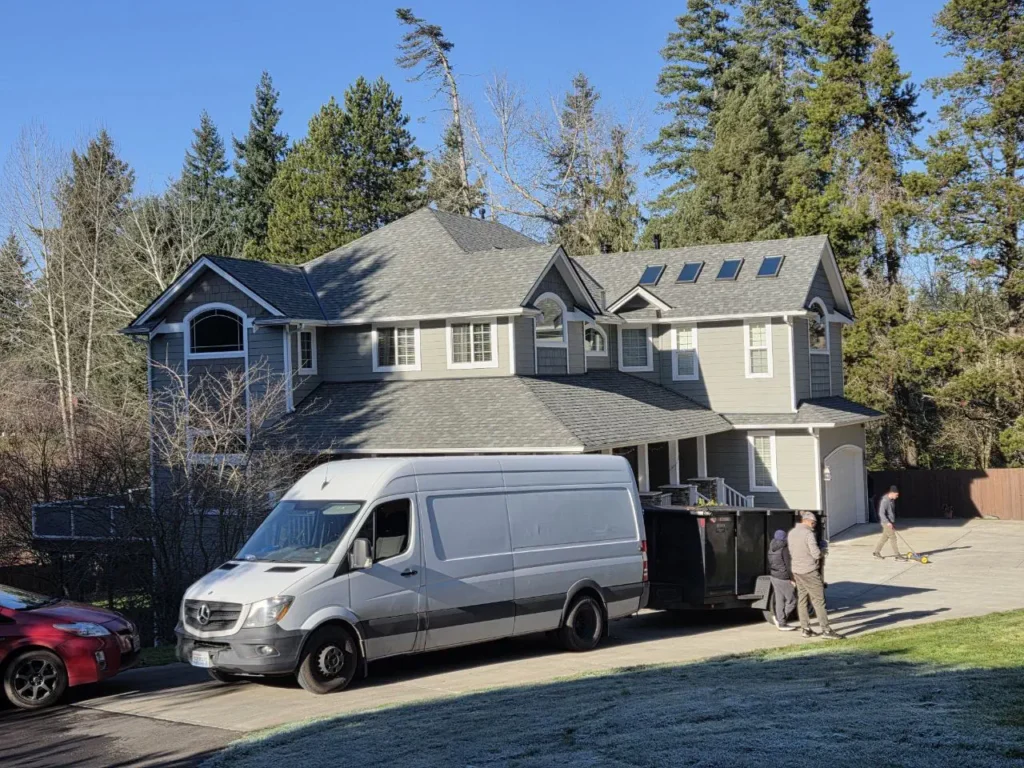
Affordability in roofing isn’t simply about finding the lowest price, it’s about maximizing the value you receive for every dollar spent while ensuring the solution actually works in Seattle’s challenging climate. This distinction matters enormously because the Pacific Northwest roofing market includes options spanning from suspiciously cheap offers from unlicensed contractors to premium services from high-end firms, and neither extreme typically represents the best value for most homeowners. The sweet spot lies in understanding what you’re actually paying for and where strategic choices can reduce costs without reducing the lifespan or reliability of your roof.
The middle quote represented true affordability because it used quality materials appropriate for Seattle’s climate, proper installation techniques that would ensure longevity, legitimate warranty protection on both materials and workmanship, and full licensing and insurance that protected the homeowner from liability. Five years later, that roof still looks excellent and has required zero repairs, while the homeowner’s neighbor who chose a similar cheap option has already spent thousands on repairs and is now facing complete replacement because the original installation failed prematurely. When you calculate the neighbor’s initial cost plus repair costs plus upcoming replacement expense, they’ll spend nearly triple what the first homeowner invested, all in pursuit of saving a few thousand dollars upfront.
Strategic Timing and Scheduling for Cost Savings
When you schedule your roofing project has a substantial impact on what you’ll pay and how quickly you can get the work done, yet most homeowners don’t realize that timing represents one of the most accessible opportunities to reduce costs without compromising quality. Understanding seasonal contractor demand, material pricing fluctuations, and the relationship between urgency and cost allows you to make strategic decisions that can save thousands of dollars while still getting excellent results from qualified professionals. Preparing your roof for winter also plays a role in timing considerations for Seattle homeowners.
The roofing industry in the Seattle area experiences dramatic seasonal demand variation that directly affects both pricing and contractor availability. Spring and summer represent peak season when contractors are booked weeks or even months in advance and have less incentive to offer competitive pricing because work is plentiful. Homeowners trying to schedule projects between April and September often face long wait times, premium pricing, and contractors who may be juggling multiple projects simultaneously rather than focusing exclusively on their job. This doesn’t mean you can’t get quality work during peak season, but it does mean you’ll likely pay more and wait longer for the same result you could get at lower cost during slower periods.
Material pricing also fluctuates throughout the year based on manufacturing capacity, transportation costs, and wholesale buying patterns. Contractors who do significant volume often purchase materials in bulk during off-season when wholesale prices are most favorable, and they can pass those savings along to customers. Conversely, during peak demand periods when materials are moving rapidly, prices tend to be higher and availability can become constrained. Strategic homeowners who can plan ahead rather than waiting for emergency situations can take advantage of these pricing cycles. A contractor might offer favorable pricing in January not just because their schedule is light, but because they purchased materials months earlier at better prices and want to keep their crews working steadily through the slower season.
The Hidden Value of Proper Installation
While material choice and timing affect your roofing costs significantly, installation quality ultimately determines whether your roof actually delivers the performance and longevity you’re paying for. This is where many homeowners trying to minimize costs make their most expensive mistakes, choosing contractors based purely on price without understanding that poor installation can cut a roof’s lifespan in half or require costly repairs that eliminate any initial savings. Proper installation involves dozens of critical details that untrained observers can’t evaluate, which is exactly why working with licensed, experienced contractors is essential rather than optional. Following established roof replacement procedures ensures quality results that last.
The strategic approach to installation quality involves recognizing that this is not the place to cut corners in pursuit of affordability. Work with properly licensed, insured, and certified contractors even if it means spending somewhat more than unlicensed operators charge. Invest in critical installation details like proper underlayment, adequate ventilation, and quality flashing even though they add to upfront costs, because they dramatically affect long-term performance. Ask contractors to explain their installation process and what steps they take to ensure quality, watching for responses that demonstrate genuine expertise versus vague assurances. Request references from recent projects and actually follow up with those homeowners to ask about their experience. And understand that the least expensive quote is almost never the best value when it comes to installation because quality workmanship requires skilled labor, adequate time, proper materials, and attention to detail that has real costs contractors can’t eliminate without compromising results. Being aware of common roofing contractor red flags helps you avoid problematic operators.
Maintenance and Prevention: The Most Affordable Strategy
While much of this article has focused on repair and replacement decisions, the single most cost-effective roofing strategy available to Seattle-area homeowners is consistent preventive maintenance that extends your roof’s lifespan and prevents minor issues from escalating into major problems. Regular maintenance represents a small fraction of replacement costs while potentially adding years of service life, yet most homeowners neglect this critical aspect until problems force their attention. Understanding what maintenance your roof needs in Pacific Northwest conditions and implementing a reasonable schedule can save thousands of dollars while providing peace of mind that your home is protected. Following a seasonal roof maintenance schedule keeps your roof in optimal condition.
Professional roof inspections should be part of your routine home maintenance schedule, ideally conducted annually or at minimum every two to three years depending on your roof’s age and condition. These inspections typically cost between two hundred and four hundred dollars and provide comprehensive assessment of your roof’s current state, identification of emerging issues while they’re still minor and inexpensive to address, and documentation useful for insurance purposes if storm damage occurs. A qualified inspector examines shingles for deterioration, checks flashing around all penetrations, evaluates valley conditions, assesses drainage effectiveness, looks for signs of moss or algae growth, checks attic ventilation, and identifies any areas requiring attention. Catching problems early through inspection is dramatically cheaper than discovering them when water is actively leaking into your home.
Beyond professional services, homeowners can implement simple maintenance practices that cost nothing but attention and time. Keeping gutters clean ensures water drains properly rather than backing up under shingles at roof edges. Trimming tree branches that overhang or shade your roof increases sunlight exposure and air circulation, both of which reduce moisture retention and biological growth. Removing debris like leaves and needles that accumulate in valleys and behind chimneys prevents moisture trapping and deterioration. Checking your attic periodically for signs of leaks, proper insulation condition, and ventilation effectiveness catches problems early. These basic practices don’t require professional help or significant investment, yet they meaningfully extend roof lifespan and prevent common failure modes.
For homeowners genuinely concerned about roofing affordability, maintenance represents the single most accessible strategy to reduce lifetime costs while extending the period before replacement becomes necessary. A roof that receives consistent care can often reach or even exceed its rated lifespan in Seattle’s challenging climate, while a neglected roof of identical materials and installation quality will fail prematurely. The difference in maintenance investment versus avoided replacement costs is dramatic, often reaching ratios of ten to one or better. This is exactly why knowledgeable contractors emphasize maintenance so strongly, it’s the most effective tool available for making quality roofing genuinely affordable over the long term.
Frequently Asked Questions About Affordable Roofing in Seattle
How much should I expect to pay for a new roof in the Seattle area?
Roof replacement costs in Seattle typically range from eight thousand to twenty-five thousand dollars depending on several key factors including your home’s size, the material you choose, and the complexity of your roof design. A typical fifteen hundred square foot home with a straightforward roof design using quality architectural asphalt shingles generally costs between nine and twelve thousand dollars for complete replacement including materials, labor, underlayment, ventilation, and debris disposal. Metal roofing for the same home would run sixteen to twenty-five thousand dollars, while premium materials like designer shingles, tile, or slate can push costs even higher. The best way to understand what your specific project will cost is to get detailed estimates from several licensed contractors who can assess your home’s actual requirements and provide transparent pricing breakdowns. Remember that the lowest price rarely represents the best value, especially when installation quality directly affects how long your investment will last in Seattle’s challenging climate.
Can I repair my roof instead of replacing it to save money?
This depends entirely on your roof’s age, overall condition, and the extent of damage. Isolated repairs make excellent financial sense when your roof is relatively young and in generally good condition but has developed specific problems from storm damage or localized wear. Repair costs typically range from five hundred to twenty-five hundred dollars and can extend your roof’s viable life by several years, providing far better value than premature replacement. However, if your roof is approaching the end of its expected lifespan based on age and material, or if you’re experiencing problems in multiple locations that suggest systemic deterioration rather than isolated damage, continuing to pour money into repairs usually proves more expensive than replacement over time. A professional inspection from a qualified contractor helps you make this determination accurately. The contractor should be able to honestly assess whether repair represents a genuine solution or just a temporary patch on a failing system. Working with contractors who recommend repair when appropriate rather than always pushing replacement ensures you get guidance based on your actual situation rather than their revenue interests.
What roofing materials perform best in Seattle’s wet climate?
Seattle’s constant moisture, limited drying time, and aggressive biological growth require materials that resist water infiltration, shed moisture effectively, and either prevent or withstand moss and algae growth. Quality architectural asphalt shingles with built-in algae resistance offer the best combination of affordability and proven performance for most homes, delivering twenty to thirty years of service when properly installed and maintained. Metal roofing performs exceptionally well in our climate, particularly on heavily shaded properties where moss is problematic, and can last fifty to seventy years while requiring minimal maintenance. Composite or synthetic materials engineered to resist biological growth represent good middle-ground options for specific applications. Basic three-tab asphalt shingles perform poorly in Seattle conditions and typically fail prematurely despite lower initial costs. The key is choosing materials rated specifically for wet climates with features like algae resistance, good water shedding characteristics, and adequate warranty coverage, then ensuring installation follows manufacturer specifications including proper underlayment and ventilation that are essential for performance in our moisture-rich environment.
How can I tell if a roofing contractor is offering fair pricing?
Fair pricing in Seattle roofing falls within a relatively predictable range once you understand typical costs for materials and labor. Getting three to four detailed estimates from properly licensed and insured contractors gives you a realistic baseline for your project. Estimates that cluster together suggest market-rate pricing, while outliers either very high or very low deserve scrutiny. Extremely low pricing often indicates the contractor is cutting corners on materials, skipping critical installation steps, lacks proper insurance, or won’t be around to honor warranties. Extremely high pricing might include unnecessary work, premium materials whose benefits don’t justify costs for your situation, or simply inflated rates. Fair pricing should include detailed breakdowns of material costs, labor costs, and any additional work, allowing you to understand what you’re paying for. The contractor should explain their pricing and be willing to discuss options at different price points. They should provide multiple references you can verify and proof of licensing and insurance. Most importantly, fair pricing delivers genuine value through quality materials appropriate for Seattle’s climate, proper installation that follows manufacturer specifications, meaningful warranty coverage, and the peace of mind that comes from working with professionals who will stand behind their work.
Make a Confident Decision
Replacing a roof in Seattle isn’t just another home improvement project—it’s an investment in safety, comfort, and long-term value. Each step of the process, from inspection to final walkthrough, requires expertise, attention to detail, and an understanding of the region’s unique climate. Choosing the right roofing partner makes all the difference.
Construction Elite LLC has built its reputation as one of Seattle’s most trusted roofing companies. With all necessary licenses and certifications, they bring both professionalism and peace of mind to every project. Their three-year warranty on all work is a promise that extends well beyond installation, giving homeowners confidence that their investment is protected.